Picture this: a wedding, a big interview, or a once-a-year gala is on the calendar, and nothing in the closet fits quite right. Off-the-rack clothing is cut for an average body that, statistically, almost nobody actually has. A jacket that pulls across the back in every photo, or trousers that bunch at the ankle, tends to stand out precisely in the moments people most want to look their best. That’s where a skilled tailor earns their keep. Searching for tailors in Louisville KY usually means asking a bigger question underneath: who can take a decent piece of clothing and make it look like it was built for one specific person? The answer tends to come down to three things: training, patience, and an eye for detail most big-box stores never bother teaching their staff.
What Separates a Good Tailor From a Great One
Anyone with scissors can shorten a hem. Getting a jacket to sit correctly across the shoulders, or a trouser to break just right over the shoe, takes years of hands-on practice that most shoppers never see happen. A great tailor reads posture the way a physical therapist would, noticing a dropped shoulder or a slight forward lean before making a single cut. Many of the best fitters spent years working under a master tailor before ever measuring a client on their own, learning to read fabric grain and body asymmetry long before touching a customer’s garment. This is one area where established tailors in louisville ky tend to have an edge over national alteration chains: smaller shops build relationships with regular clients over years, which means they already know how someone’s body has changed since the last visit instead of starting from a blank measurement sheet every single time.
The Fitting Process, Step by Step
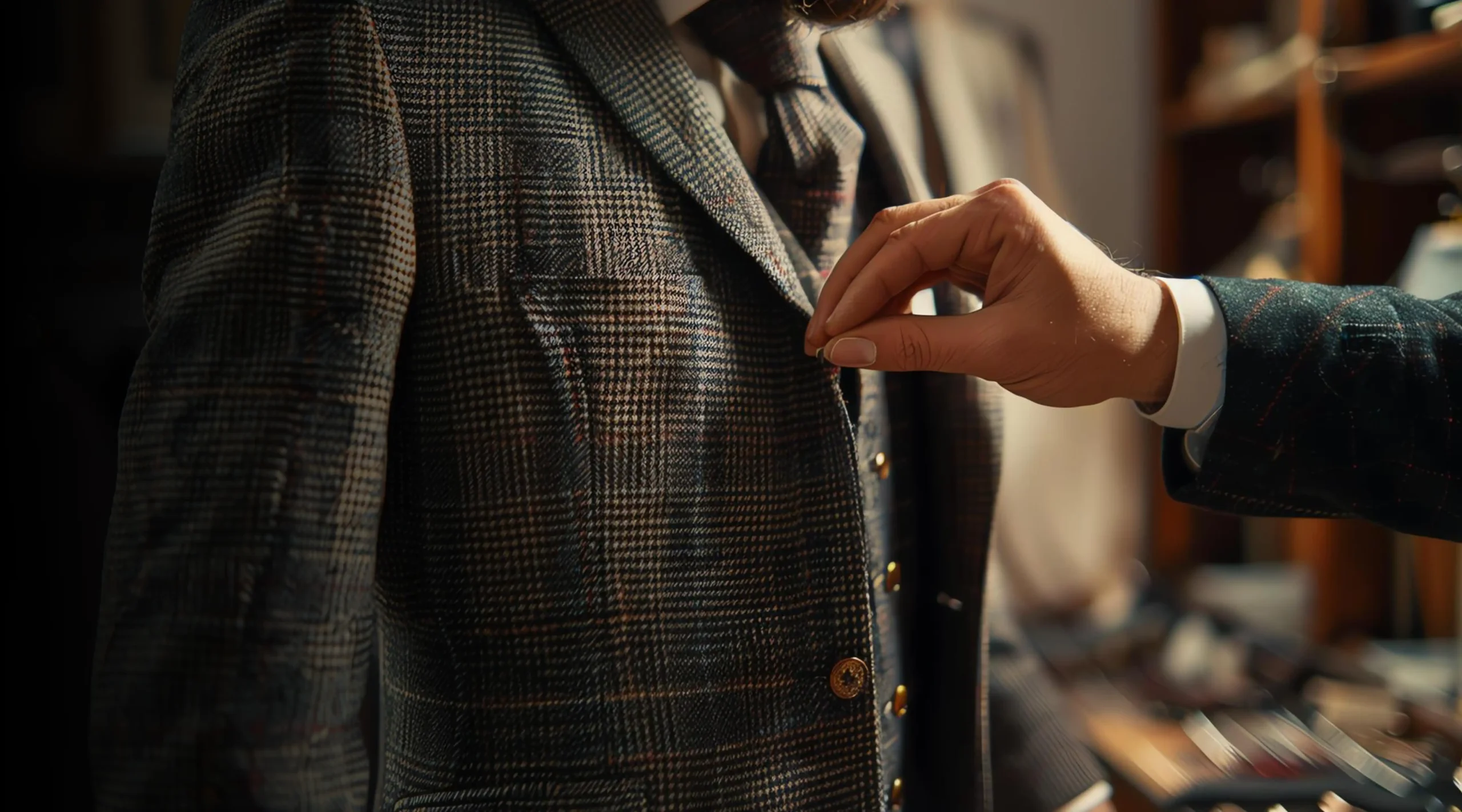
A proper fitting rarely takes fifteen minutes. It usually starts with a conversation about how the garment will actually be worn, buttoned or open, seated most of the day or standing, then moves into measurements taken in a normal posture rather than stretched or held stiff. Chalk marks and pins come next, followed by a basted or muslin fitting on anything built from scratch. A second fitting after the first round of adjustments is standard for anything built this way, giving the tailor a chance to check how the garment moves once a client is actually wearing it rather than standing still on a fitting stool. Off-the-rack alterations skip most of these steps entirely, which is exactly why a “quick fix” so often looks close but not quite right once it’s finished.
Getting a Tailor-Made Suit Right the First Time
Ordering a tailor made suit is a different experience from buying off the rack, and it rewards a little homework beforehand. Bringing along a jacket or pair of trousers with a fit that already feels right, even if the color or fabric is wrong, gives a tailor a useful reference point for proportions. Being specific about how the piece will actually be used matters too: a suit worn for daily courtroom appearances needs a different structure than one built for a single wedding weekend. It also helps to have a rough budget in mind before the first appointment, since fabric choice affects price more than almost any other decision, and a tailor who knows the ceiling upfront can steer the conversation toward options that fit both the wallet and the occasion. The more context a tailor has going in, the fewer fitting appointments it takes to land on a finished result worth the wait.
Small Details That Make a Big Difference
Button stance, lapel width, and trouser break sound like minor choices, but they’re what separate a suit that looks current from one that looks dated the moment it leaves the shop. A slightly higher button stance elongates the leg line; a lapel matched to shoulder width keeps the whole silhouette balanced instead of top- or bottom-heavy. Even stitching choices like a hand-picked lapel versus a machine-stitched one are visible up close, and they’re often the detail that signals genuine craftsmanship to anyone who knows what to look for. These are the kinds of small calls that rarely come up at a department store counter, but come up naturally in a real fitting conversation at an experienced Louisville tailor shop.
The Bottom Line
Finding the right tailor isn’t about picking the closest shop on a map, it’s about finding someone who asks the right questions before they ever pick up a pin. A few extra minutes spent on measurements and fit preferences at the very start saves multiple return trips later, and it’s the actual difference between clothing that merely fits and clothing that looks made for the person wearing it. That’s true whether it’s a first suit purchase or a tenth, the fundamentals don’t change.