Creating a balanced silhouette involves more than selecting a particular cup size. The position, shape and weight of breast forms can influence how clothing fits and how comfortable an outfit feels. For someone exploring feminine presentation, understanding these differences can make the buying process considerably easier.
Different styles of Crossdresser Breast Forms serve different purposes. Some are designed to sit inside a suitable bra, while breastplates provide a larger continuous section of material across the chest. Neither approach is automatically superior. The appropriate choice depends on clothing preferences, body proportions and the situations in which the product will be worn.
Breast Forms and Breastplates Are Not Identical
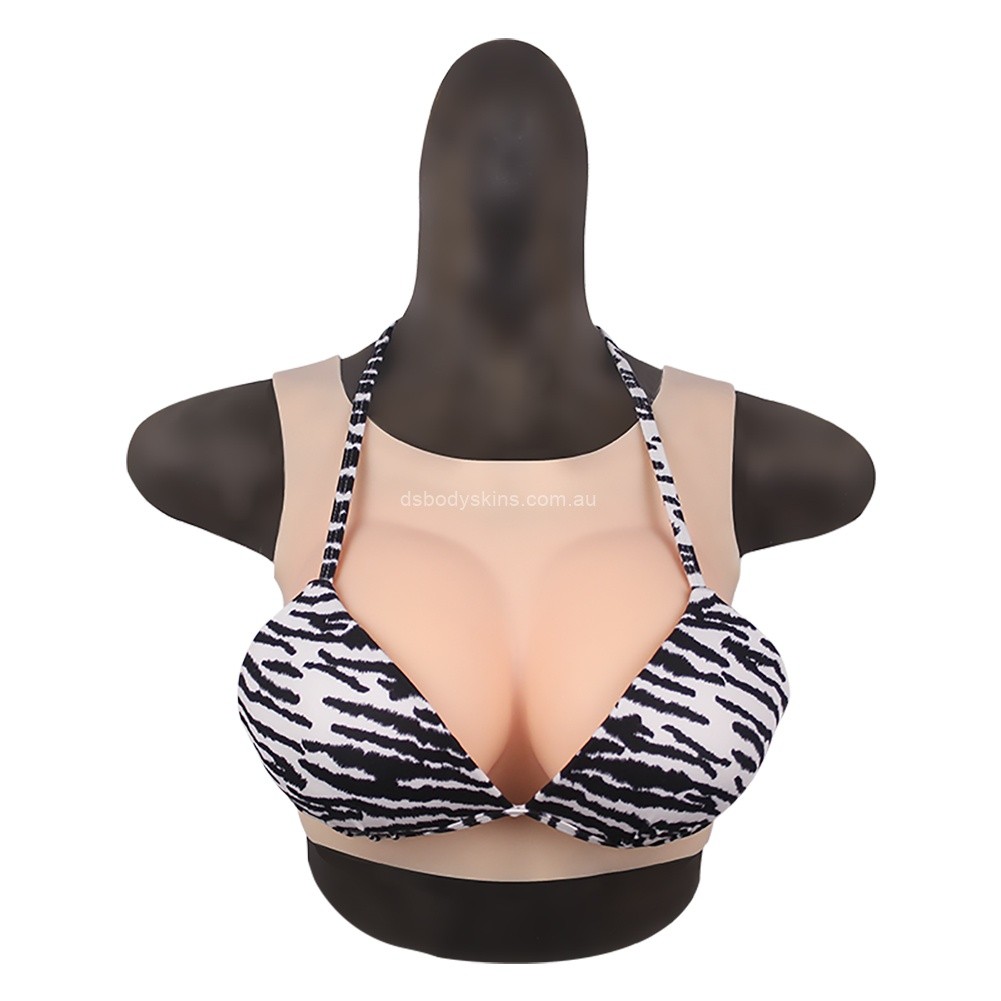
Individual breast forms are generally separate pieces positioned against the chest and supported by a compatible bra or another approved method. Their independent construction can offer flexibility when changing outfits. Breastplates usually combine the breast shapes with a surrounding chest section. Depending on the design, they may cover the upper torso, shoulders or additional areas.
This larger construction can create a continuous appearance across exposed sections of the chest. However, it also introduces additional material, weight and potential warmth. A person who normally wears high-necked clothing may not require the same coverage as someone planning an outfit with a lower neckline.
Choose Proportions Before Choosing Cup Size
Cup size labels alone do not explain how a product will look on an individual body. Chest width, shoulder proportions, height and clothing style all affect the overall appearance. A larger form may create the desired dramatic effect for a performance costume but seem disproportionate under everyday clothing. Smaller forms can be easier to incorporate into certain outfits.
It helps to consider the intended silhouette while wearing ordinary garments. Compare measurements and product dimensions rather than assuming that a familiar bra size guarantees the correct fit. Experimenting with temporary clothing combinations can also reveal whether a particular volume complements the preferred style.
Material Quality Is About More Than Appearance
Surface texture and shape are important, but construction quality deserves equal attention. Product specifications may explain differences in material, finish, flexibility and handling requirements. Customers researching Silicone Breast Forms should examine whether a product is intended for use inside clothing, with specific adhesives or as part of a larger wearable design.
Not every silicone product is suitable for the same application. Adhesive compatibility, skin contact guidance and cleaning requirements should be checked against the manufacturer’s instructions. A realistic finish may be attractive, but practical suitability should remain the deciding factor.
Clothing Determines the Final Silhouette
Breast forms and clothing should be considered together. A structured dress may support a particular shape, while soft knitwear can reveal contours and edges more clearly. Bra construction also changes how individual forms sit. A supportive, appropriately sized bra may improve stability, whereas a loose garment could allow unwanted movement.
For low-cut outfits, the visible transition between the chest and the accessory becomes more important. Breastplates may address certain visual requirements, although their edges and fit still need consideration. Testing different necklines and fabrics often produces more useful information than examining a product in isolation.
Comfort Changes With Movement
A product may look suitable in a standing photograph yet feel different while sitting, bending or walking. Weight distribution and support become especially noticeable during extended activity. Begin with short fitting sessions to assess pressure, movement and skin comfort. Check whether the product shifts when changing position or creates unnecessary tension.
Stop wearing an accessory if irritation, pain or unusual discomfort develops. Sensitive skin may require additional caution, particularly when adhesives are involved. There is no benefit in forcing a product to remain in place when its design is unsuitable for the intended activity.
Keeping Silicone Products in Good Condition
Regular cleaning helps remove perspiration, skin oils and other residue. Use products recommended by the manufacturer because harsh chemicals can affect some materials and finishes. Dry each item thoroughly before returning it to storage. Avoid placing heavy objects on soft products or exposing them to excessive sunlight and heat.
Separate storage may be appropriate for accessories with delicate surfaces. Check instructions before using powders, adhesives or other treatments. Good maintenance is particularly relevant for products that come into direct contact with the skin or require frequent handling.
Make the Purchase Fit Your Actual Routine
Someone using breast forms occasionally for photographs may prioritise different qualities from a person incorporating them into regular outfits. Storage space, dressing time and cleaning frequency should influence the decision.
Budget should include any supporting garments or approved accessories needed for comfortable use. Purchasing a product without compatible clothing may create unexpected additional costs. The most practical choice is the one that works with existing habits rather than demanding an entirely new routine.
Conclusion
Selecting breast forms or a breastplate is a personal decision shaped by proportions, clothing preferences and comfort. Comparing product construction and support requirements can prevent disappointing purchases while making styling more straightforward. Australian shoppers can explore different designs through dsbodyskins.com.au, which includes silicone breast forms and related accessories. Taking measurements, understanding material care and setting realistic expectations can help turn an unfamiliar product category into a more manageable purchasing decision.