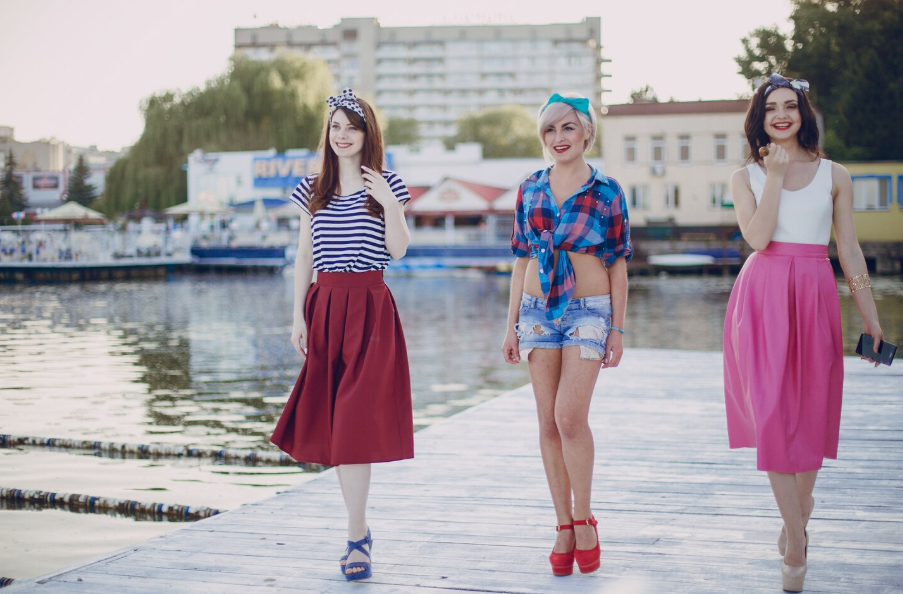
Fashion changes quickly, but a useful wardrobe does not need to change at the same speed. New colors, silhouettes, accessories, and styling ideas can make getting dressed more interesting, while dependable pieces provide a foundation that works from season to season. Finding the right balance between the two can make shopping more intentional.
Fashion resources such as Sonia Begonia can introduce readers to current styles and different ways to approach popular looks. Instead of treating every trend as a required purchase, shoppers can select ideas that complement their existing wardrobe and leave behind those that do not suit their lifestyle.
Understand What Timeless Means to You
The term “timeless” does not have to mean wearing only neutral colors or traditional clothing. A timeless piece is often simply something that continues to feel useful and enjoyable after a particular trend has passed.
For one person, that might be straight-leg jeans and simple knitwear. Another may repeatedly wear colorful dresses, oversized shirts, or structured jackets.
Look at the clothes you have owned and worn for several years. Those pieces provide a better definition of timeless style for you than any universal fashion checklist.
Add Trends in Smaller Ways
Experimenting with trends does not require changing an entire outfit. Smaller additions can provide the same sense of freshness with less commitment.
Accessories are particularly useful for this. A current bag shape, interesting pair of shoes, belt, or jewelry can update familiar clothing without replacing dependable basics.
Color can work similarly. Trying a trending shade through one accessory may be easier than investing immediately in several new clothing pieces.
Explore Luxury-Inspired Trends Carefully
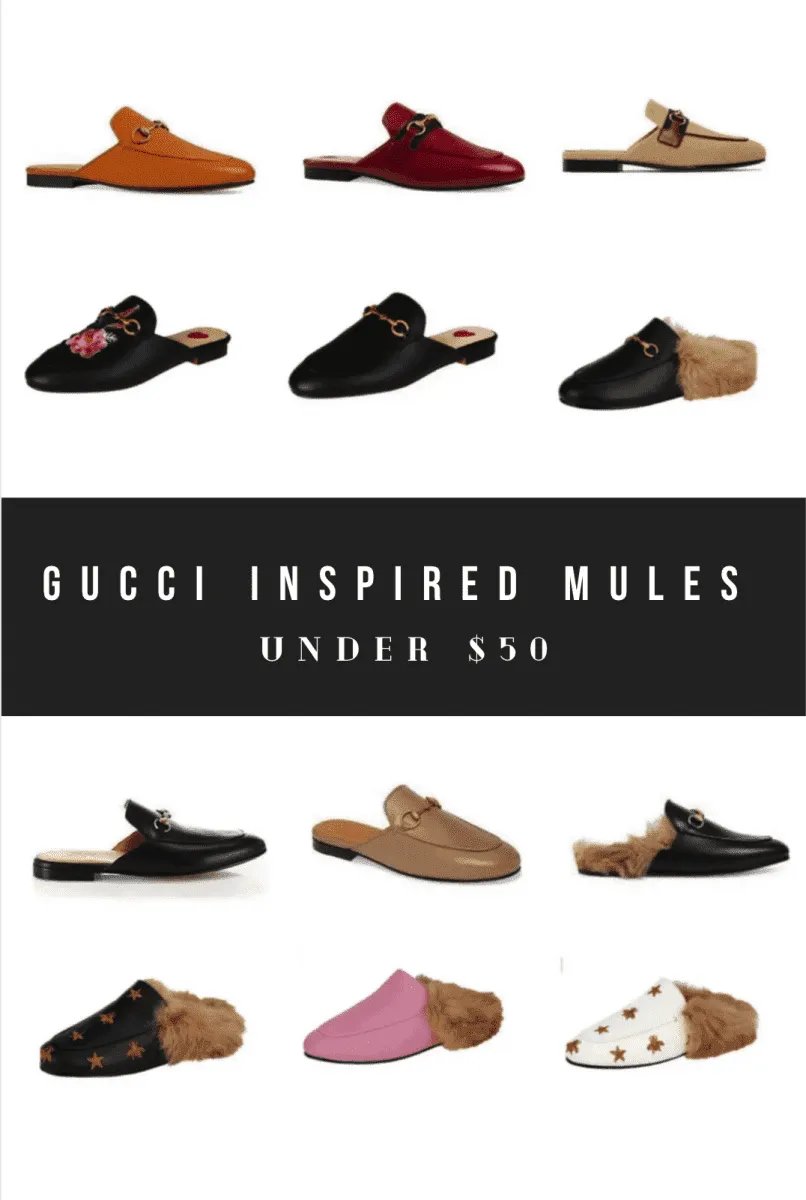
Luxury collections often introduce design ideas that influence wider fashion. A distinctive handbag shape or accessory detail may eventually appear across numerous brands and price ranges.
Shoppers interested in Designer Dupes can explore accessible alternatives to popular aesthetics. However, similarity to a designer style should be only one part of the decision.
Consider whether the alternative works with your clothing, offers the functionality you need, and fits your intended budget. A trend is more valuable when it can become part of several outfits.
Use a Simple Outfit Formula
Having a few dependable outfit formulas makes it easier to introduce new pieces without creating wardrobe confusion.
One formula might involve jeans, a simple top, a jacket, and statement shoes. Another could combine tailored trousers, knitwear, and a structured bag.
These formulas create a reliable foundation. When a trend catches your attention, you can ask whether it fits into one of those combinations rather than building an entirely new outfit around it.
Consider How Long You Like a Trend
Not every trend that catches your attention deserves an immediate purchase. Save the idea and revisit it after a few weeks.
If the style still appeals to you, consider how it would fit with clothes you already own. Continued interest can be a useful sign that the attraction goes beyond temporary online exposure.
Waiting also gives you more time to compare different versions, colors, and prices instead of choosing the first option you see.
Give Basics More Personality
Wardrobe staples do not have to produce repetitive outfits. Styling can change how even simple pieces appear.
A white shirt can be worn with tailored trousers, relaxed denim, layered under knitwear, or open over a fitted top. A plain dress can change with different shoes, jewelry, jackets, or handbags.
This flexibility allows a smaller group of dependable clothes to support many different looks.
Review Before Each Season
A seasonal wardrobe review can help identify what still works before new shopping begins. Look at what was worn frequently during the previous year and what remained largely untouched.
This process can reveal practical gaps. Perhaps you need comfortable shoes rather than another jacket, or an everyday bag rather than an additional occasion piece.
Shopping from a specific gap is usually more effective than browsing without a clear purpose.
Know When to Skip Something
An appealing trend may still be wrong for your wardrobe. If it requires several additional purchases, feels uncomfortable, or does not fit your normal routine, skipping it can be the better choice.
Fashion should provide options rather than obligations. There will always be another color, silhouette, or accessory gaining attention.
Being selective leaves more space for pieces that genuinely reflect how you prefer to dress.
Conclusion
Balancing timeless pieces with fashion trends is less about following a fixed ratio and more about understanding personal habits. Dependable clothes can provide a flexible foundation, while carefully chosen trend pieces introduce variety and experimentation. Reviewing existing outfits, waiting before purchasing, and considering versatility can make each addition more purposeful. When trends are selected according to individual taste and everyday needs, a wardrobe can continue to feel fresh without requiring constant replacement.