Osdire’s guide to freelance platforms
A beautiful product page can make someone pause, but it takes more than striking photography to help shoppers find it in the first place. For independent fashion, beauty, and jewelry businesses, search visibility can bring new visitors to a collection, a care guide, or a small shop’s online storefront. Understanding the SEO ranking factors that matter most in 2026 gives business owners a practical way to improve discoverability without losing the point of their brand: serving real people with useful, well-presented information.
Search optimization is not a single trick or a checklist that guarantees a top position. It is the ongoing work of making pages relevant, dependable, easy to use, and worth visiting. The principles apply whether you sell handmade earrings, offer styling services, or publish advice about skincare and seasonal trends.
Make every page useful to a specific shopper
Start with the reason someone might search. A person looking for “gold hoops for sensitive ears” needs different information from someone searching for “how to clean gold-plated jewelry.” A product listing should clearly describe materials, sizing, fit, care, price, and availability. An advice article should answer its question directly, then add helpful context and practical steps.
Choose a primary topic for each page and use natural language in its title, headings, and copy. Avoid repeating the same phrase simply to signal relevance. Search engines can interpret related wording, while readers quickly notice copy that sounds mechanical. If a page covers several unrelated products or questions, consider whether clearer, more focused pages would make the experience easier to navigate.
For a broader look at the SEO ranking factors shaping 2026, it helps to think beyond keywords. Relevance matters, but so does whether a page delivers on what its title promises.
Build trust with details shoppers can verify
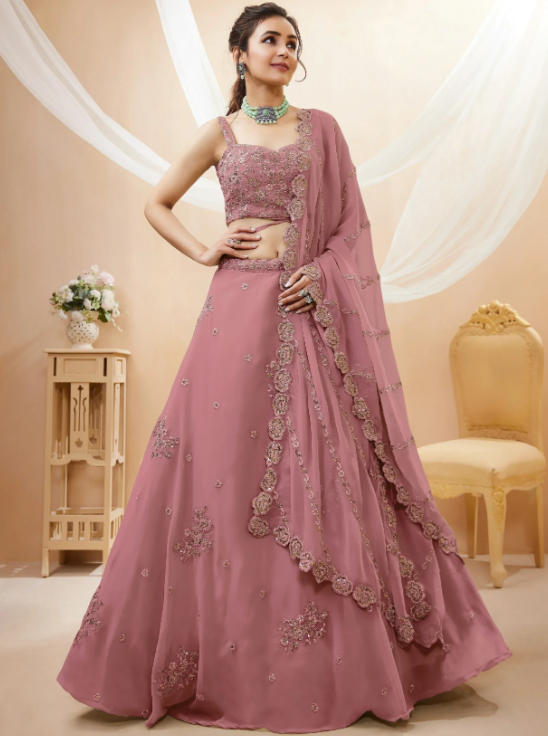
Fashion and beauty purchases often involve questions that a photograph alone cannot answer. Is a garment lined? What is the model wearing, and what size is she? Does a serum contain fragrance? How should a leather bag be stored? Clear answers reduce uncertainty and make a page more valuable.
Use original product descriptions rather than relying on generic supplier text. Include accurate specifications, shipping and return information, and clear policies. For editorial content, identify the writer or relevant expertise where appropriate, distinguish personal experience from general guidance, and review older pages when products or recommendations change. Customer reviews can add useful perspective, but they should be genuine and presented transparently.
Trust is also shaped by the overall site. Consistent branding, working contact information, secure checkout, and straightforward navigation help visitors feel confident enough to explore. These details are good business practice as well as part of a strong online experience.
Give visual content a search-friendly foundation
Style is visual, so images and video are central to many fashion websites. Use sharp, well-lit images that show products from useful angles, but keep file sizes manageable so pages load promptly. Give image files descriptive names and write concise alt text that explains what is shown. Alt text should help people using assistive technology; it is not a place to stuff search terms.
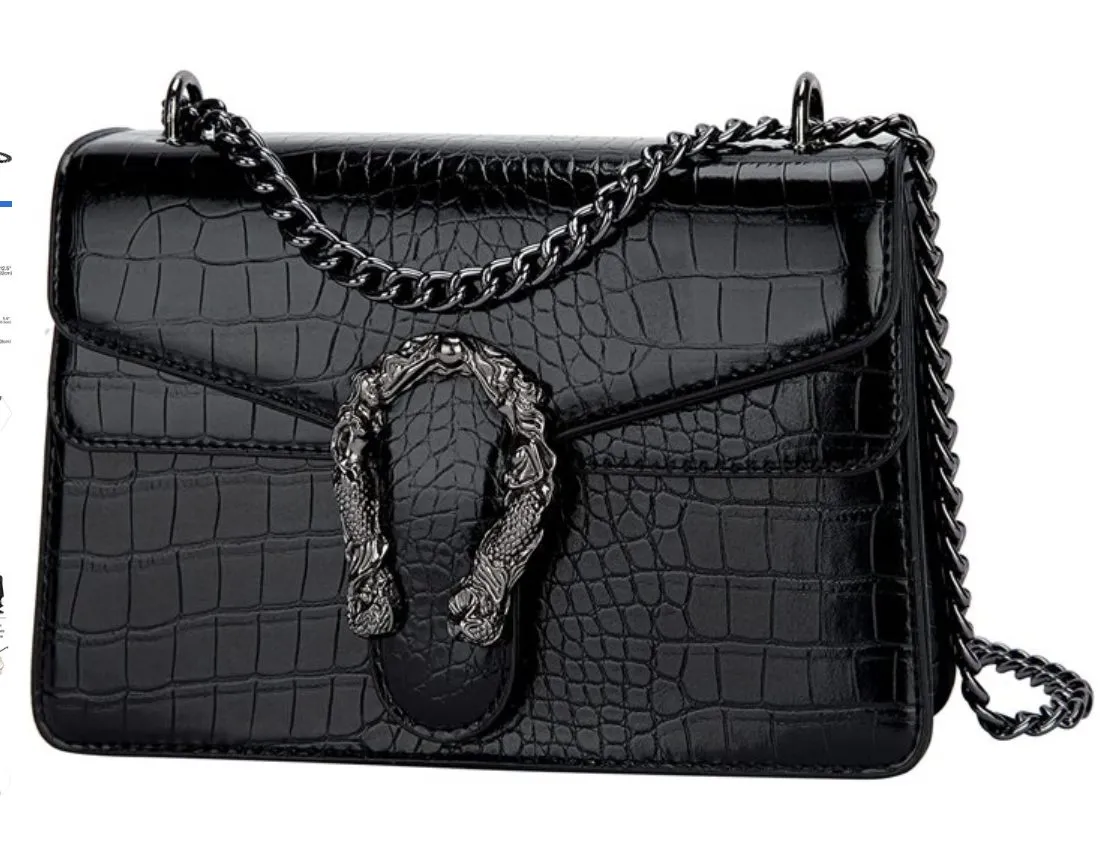
Where it makes sense, add video demonstrations, outfit ideas, or behind-the-scenes clips. Pair each visual with text that explains its context. A short video showing how a bag fits everyday essentials, for example, is more helpful when the page also lists its dimensions and materials.
Make the mobile experience feel effortless
Many shoppers discover products on a phone, sometimes while browsing social feeds or comparing options on the go. Check that product images resize cleanly, text remains readable, and buttons are easy to tap. Look for slow-loading pages, broken links, intrusive pop-ups, and checkout steps that are difficult to complete on a small screen.
Technical housekeeping matters, too. Keep important pages accessible through sensible navigation, use a logical heading structure, and fix errors that prevent visitors or search engines from reaching content. A simple site structure can help shoppers move naturally from a category to a product and then to useful information such as sizing or care instructions.
Publish consistently, then improve what you learn
A useful content plan does not require a new article every day. A boutique might publish a seasonal fabric guide, explain how to build a capsule wardrobe, or answer recurring customer questions about fit. A beauty business could create a clear ingredient glossary or explain how to introduce a product into a routine. Original insight and practical detail are more valuable than publishing for the sake of frequency.
Review performance over time. Notice which pages attract relevant visits, what shoppers search before arriving, and where people leave the site. Refresh information that has become outdated, strengthen pages that receive impressions but few clicks, and add internal links where they genuinely help someone take the next step.
Small businesses do not have to handle every part of this work alone. If you need help with writing, design, technical updates, or marketing, Osdire’s guide to freelance platforms can help you explore ways to find independent support. Define the task and expected deliverables before hiring, and make sure the freelancer understands your audience and brand voice.
Let search support the brand experience
Strong SEO is not separate from good merchandising or thoughtful service. It helps the right people find useful pages, understand what a business offers, and decide whether it fits their needs. For fashion and beauty brands, the most durable approach is to combine clear product information, distinctive original content, trustworthy details, and a smooth mobile experience. Keep improving those fundamentals, and search can become a steady part of how your audience discovers your work.