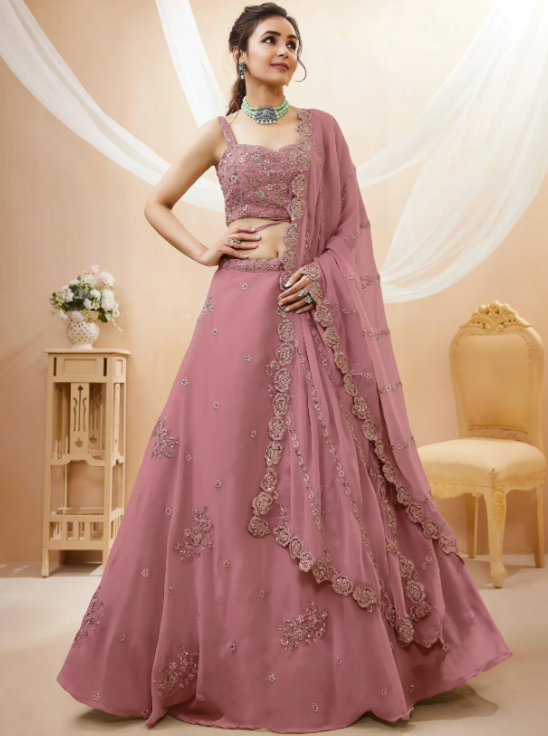
Not every warehouse needs category specialisation. A business shipping robust, uniform products may be served perfectly well by a general ecommerce 3PL. Apparel is different because the physical product, SKU structure, seasonality and returns process create handling requirements that are easy to underestimate.
The right choice depends on how important those requirements are to your brand.
When comparing specialist fashion 3PL vs general 3PL options, apparel brands should focus on the operational details that affect variants, presentation and returns.
Comparison at a glance
|
Area |
General 3PL |
Fashion-focused 3PL |
|
SKU handling |
Broad product logic |
Built around size, colour and style variants |
|
Presentation |
Standard pack rules |
Garment folding, bagging and brand standards |
|
Returns |
Generic receive/restock |
Condition checks and fashion resale decisions |
|
Peaks |
General capacity planning |
Familiarity with launches, sales and seasonal drops |
|
Packaging |
Often standardised |
Greater emphasis on branded presentation |
The table is not a guarantee that one provider is better. It shows where a fashion brand should ask more detailed questions.
Variant accuracy is a daily issue
A single top sold in five sizes and six colours creates 30 SKUs. Add multiple collections and the catalogue becomes variant-heavy quickly. The warehouse needs barcode discipline and locations that prevent similar products from being confused.
Freckl’s fashion 3PL service for Australian brands focuses specifically on garment handling, size-colour SKU accuracy, returns and presentation. Those are useful criteria to include in any fashion fulfilment evaluation, even when comparing several providers.
Presentation is part of the product
A garment may be technically correct but still arrive poorly folded, crushed or in the wrong branded packaging. For a fashion label, fulfilment is one of the few physical brand interactions after an online purchase. Ask how packing instructions are documented, trained and quality-checked.
Returns can expose a category mismatch
Fashion returns involve more judgement than placing an unopened hard good back on a shelf. The team may need to check tags, signs of wear, marks and packaging condition before the garment can be resold. If a general provider treats every return identically, resale quality and stock accuracy can suffer.
When a general 3PL may still be right
A general provider can be a strong choice when it has proven apparel clients, reliable variant controls and the service capability your brand needs. Large national networks may also suit businesses where distribution scale, multiple facilities or complex transport requirements matter more than high-touch presentation.
Do not choose based on the label “specialist” alone. Test the actual process.
Boutique versus large-provider service
Provider size is another dimension. A smaller specialist may offer more direct communication and flexible handling, while a larger operation may offer broader infrastructure. Freckl’s boutique 3PL model describes a more personalised approach for fashion and ecommerce brands. When comparing options, ask who manages your account, how exceptions are handled and whether your packaging rules can change without a lengthy process.
Five questions apparel brands should ask
-
How do you prevent mispicks between similar size and colour variants?
-
What happens to a garment when it is returned?
-
Can you follow our folding, tissue and insert standards consistently?
-
How do you prepare for collection launches and Black Friday volume?
-
Which apparel clients have requirements similar to ours?
The answers are more useful than a generic capability list. Ask the provider to demonstrate one or two of these processes using a real example from your range. A practical walkthrough often exposes gaps that remain invisible in a proposal document.
Conclusion
For apparel brands, the better choice is the provider whose processes match the realities of fashion inventory. A specialist is most valuable when variant accuracy, garment presentation, returns and launch peaks materially affect customer experience; otherwise, a capable general 3PL may still be sufficient.
FAQs
1. Does every clothing brand need a specialist fashion 3PL?
No. The need depends on SKU complexity, returns, presentation standards and growth. A general provider with strong apparel processes may still be suitable.
2. What is the biggest operational difference in fashion fulfilment?
Variant complexity is one of the biggest. Similar-looking items can represent different size-colour SKUs, so scanning and location controls are important for accurate picking.
3. Why do fashion returns need special handling?
Returned garments may need condition inspection and repackaging before resale. Automatically restocking every returned item can put worn or damaged stock back into customer orders.
4. Is a boutique 3PL always more expensive?
Not necessarily. Pricing depends on order profile and services. Compare total monthly cost, commercial terms and service requirements rather than assuming provider size determines price.
5. What should a fashion brand test before onboarding?
Test a realistic order mix, packaging instructions, variant picking, tracking updates and a return. A small operational test can reveal more than a sales presentation.